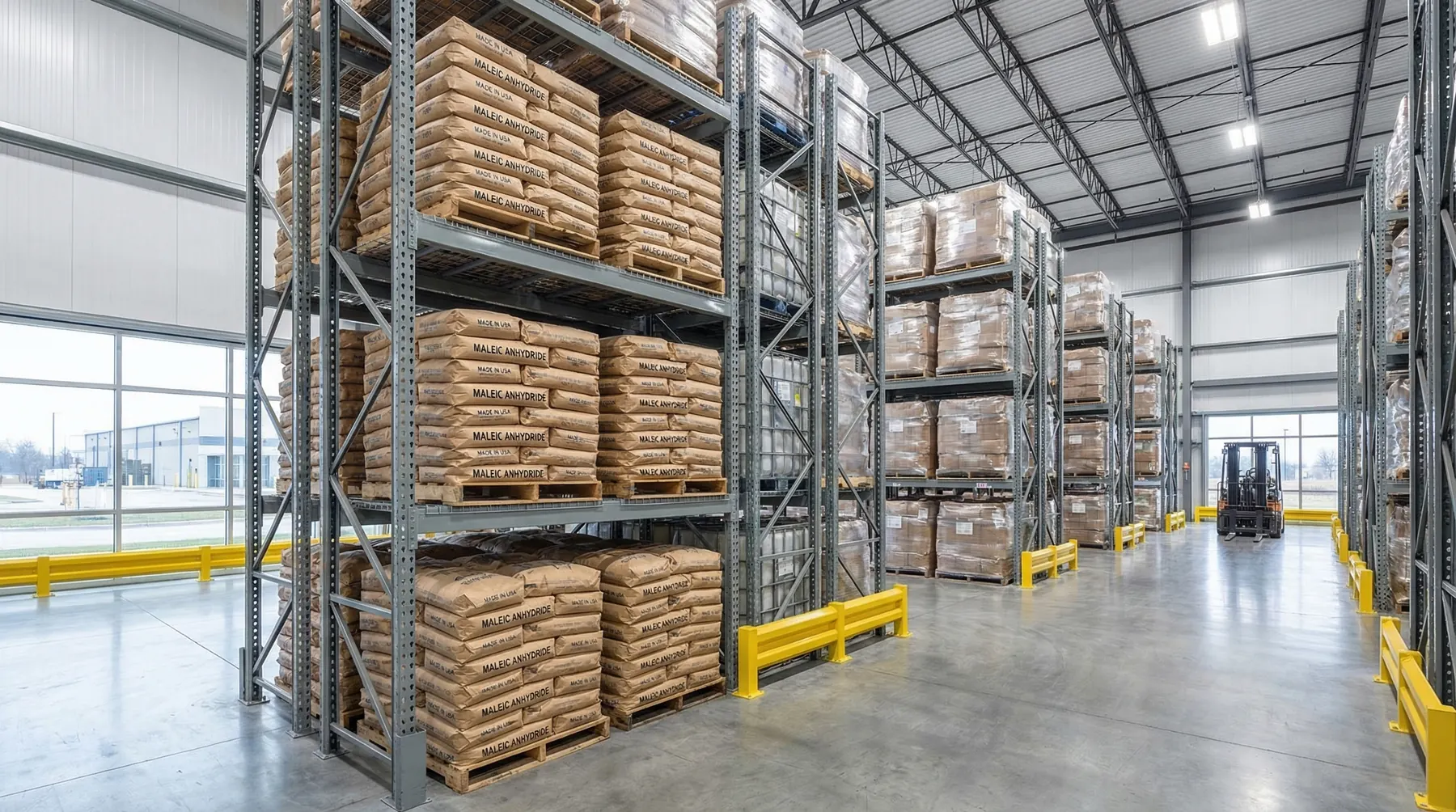
Pre-Receipt Safety Review
Do not use a website article as a substitute for the SDS, risk assessment, regulations, or professional advice.
| Review area | Questions for the buyer team |
|---|---|
| Cargo identity | Is the product solid or molten, and does the shipment match the purchase specification? |
| Storage | Is the area dry, controlled, compatible, labeled, and approved for the cargo form? |
| Exposure control | Are ventilation, dust or vapor control, eyewash, PPE, and training specified by the SDS and site assessment? |
| Incompatibilities | Are water and incompatible chemicals or materials segregated according to the SDS? |
| Unloading | Are equipment, hose, lifting, grounding, temperature, and supervision requirements confirmed? |
| Emergency response | Do the site and carrier have spill, exposure, fire, and medical procedures? |
Documents to Confirm
Document requirements vary by jurisdiction, carrier, cargo form, and route.
- Current supplier SDS and technical specification
- COA matching the shipment batch
- Packing list, commercial invoice, and package marks
- Carrier and dangerous-goods documents required for the route
- Inspection, container, tank, seal, and unloading records where applicable
FAQ
Does maleic anhydride react with water?
NIOSH notes that it reacts slowly with water and hydrolyzes to form maleic acid. Review the SDS for storage and response requirements.
What exposure routes require attention?
NIOSH lists inhalation, ingestion, and skin or eye contact. Site controls and PPE should follow the SDS and a qualified risk assessment.
Can the same procedure be used for solid and molten cargo?
No. Cargo form changes packaging, temperature, transfer, equipment, and unloading considerations.
Safety Notice
This page is a procurement overview, not an SDS or operating procedure. Use the current supplier SDS, applicable law, carrier instructions, and a qualified site risk assessment for storage, handling, transport, PPE, and emergency response.
Authoritative References
These external references support general chemical and trade information. Order-specific requirements must be confirmed separately.